Sunday, September 30, 2012

roasted potatoes and beans

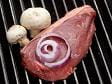
Simple and tasty side dish for dinner tonight: quarter a few red potatoes, trim a bag of green beans, thinly slice 3 garlic cloves. Toss on a foil lined pan with evoo, salt/pep. Bake at 425 on bottom rack for 25 mins (turn once). The trick: the high temp roasting makes the skins french fry crisp...yum!

Need a quick but delish entree as well? I'm pairing this with lamb chops marinated in Dijon mustard, dry mint, salt/pepper then throwing them on the grill!

Done and done!
Like · · · 34 minutes ago

Saturday, September 29, 2012

protein!!


Thanks to a relentless campaign from food industries, we have a highly exaggerated idea of the amount of protein that is needed by our bodies. In fact, we only need a small percentage of the amount we usually get. If you staunchly refuse to believe this statement, consider mother’s milk, which contains only 1.6 grams of protein per 1/2 cup, less than one half the protein of cow’s milk. The greatest growth time of our lives is when we are babies, so if we needed huge amounts of protein wouldn't mother’s milk, the “perfect food”, provide it?

In fact, there are serious dangers to high protein diets. Two examples are: osteoporosis and kidney disease. The bone thinning disease of osteoporosis is an epidemic in the United States and high amount of protein have unquestionably played a huge part in this explosion. High protein diets cause calcium to be lost in the urine. This calcium does not come from the meat – it comes from our bones. Animal products create uric acid which makes our blood acidic. Calcium is the mineral that is most needed by the body to fight acidity – and in its valiant attempt to protect itself, the body pulls this needed calcium from the bones, the most abundant source we have.

Further, if we eat more protein than the human body can use, it is broken down and excreted which overworks the kidneys by increasing the amount and flow of urine. The “nephrons”, which are the kidneys filter units, gradually die off in the process.

So, yes, we need protein – but not a huge amount of it and the best advice is to stick to plants. A variety of plant foods provides all the protein we need and, contrary to a popular myth, we don’t need to ‘combine’ those proteins in any special way to get all eight amino acids that the body doesn't produce. That notion began with an influential book, Diet For A Small Planet. The author, Frances Moore Lappe, later recanted, admitting she was in error. If only all errors were so readily admitted!

There are two kinds of fiber. The first is “insoluble” fiber, alias ‘roughage’, which can’t be used by the human body. Instead it moves on through, carrying out waste products and toxins. The more insoluble fiber we have, the less likely we are to retain foods inside our bodies which keeps them from putrefying. Yes, that’s a gross thought but that doesn't make it any less true.

“Soluble” fiber becomes gooey and helps to process fats, lowers cholesterol and slows the release of carbohydrates into the bloodstream. Many have reported a lower cholesterol score just from consuming more fiber.

Quite simply, fiber is what makes you feel full! Obviously, if we feel full we will eat less and be more satisfied, our appetite will be more easily controlled and we will either lose weight or maintain a healthy weight.

The most popular theory of dieting and weight loss for decades has revolved around calories. Experts have loudly proclaimed that there is an immutable formula for calories in, calories out but, in fact, all calories are not the same because some calories require much more digestion than others. The harder your body has to work to digest those calories, the less of them will be absorbed.

The difference between a spoonful of sugar and a spoonful of beans is startling. In fact, if you’d like to reduce your calorie “price” by 10%, add an extra 14 grams of fiber. This means that if you eat 2,000 calories per day, and add 28 grams of fiber to your meals, those calories will only “count” as 1600. Cool!

It’s easy to get 30, 40, 50 or more grams of fiber a day. There are four foods that supply lots of healthy fiber …

* Beans
* Vegetables
* Fruits
* Whole grains

… and in that order, with beans being the best source of fiber. Set a target of at least 40 grams per day. Beans have approximately 15 grams of fiber per cup.


Scientists rate how quickly foods release their natural sugars into the bloodstream using a number called the glycemic index or GI. Foods on the low end of the glycemic scale release their natural sugars slowly over a period of time. Probably most resident in the western world have experienced the famous ‘sugar high’ and researchers are positive that sugar – literally – acts like a drug on the human system. In fact, some scientists have compared sugar to heroin!

Low glycemic foods, on the other hand, release their sugars more slowly and steadily, acting a constant source of energy. These foods don’t send your blood sugar skyrocketing only to crash soon after, causing your appetite to return and often making snacks irresistible.

And, if you’re overweight, your body tissues are most likely more sensitive to insulin, the hormone that controls your blood sugar.

What makes a food low or high on the glycemic scale? It’s about the carbohydrate molecules of the substance. With low-GI food, the molecules are stacked and dense and have been compared to a stack of logs waiting to be burned in the winter fireplace. When the agents of digestion in your body – your enzymes – go to work on these logs, it takes a long time to burn them and that’s why your blood sugar isn’t much affected.

High GI carbs are more like branches or twigs, with their molecules spread apart and surrounded by space. Your enzymes quickly break them apart, releasing all their sugar into the blood at more or less the same time.

Guess who’s the undisputed champion of the low GI food groups? That’s right: legumes – beans, peas, lentils – with green veggies being a close second, calorie for calorie.

A few years ago, it was discovered that a hormone named “leptin” [its name comes from the Greek word 'leptos' which means 'thin'] controlled the human appetite. There was an incredible excitement over this discovery and the dieting world hailed The Answer for all overweight folks. Unfortunately, leptin from outside sources has thus far been a huge flop.

Leptin is made by our body’s fat cells. When the cells realize there is enough nourishment available, [meaning you're not starving yourself by dieting!] they release leptin into the bloodstream which has two important effects:

* Your appetite declines …

* Your metabolism is boosted and thus calories are consumed more quickly …
Plant based, low-fat foods help to keep leptin levels high – while fatty foods, like animal products, suppress your leptin supply. And guess what? Beans are only 2-3% fat which means they raise your leptin levels and reduce appetite, while causing your metabolism to work harder and faster.

LEAN GROUND BEEF
Amount: 4 ounces
Calories: 306
Fat grams: 20
Protein grams: 23
Fiber in grams: 0

BLACK BEANS
Amount: 8 ounces [twice as much as the beef above]
Calories: 227 [discount by 10% due to high fiber content]
Fat grams: .09
Protein grams: 17.9
Fiber in grams: 15

Nutrients & Beans:

Beans are loaded with nutrients that our bodies crave:

B Vitamins: are necessary for healthy brain and nerve cells, for normal functioning of the skin, nerves and digestive system.

Calcium: for strong bones and teeth and to help keep the body more alkaline, rather than acidic.

Potassium: helps reduce the risk of high blood pressure and stroke.

Folate: a B vitamin that our bodies don’t produce yet dry beans are our single best source of this important vitamin which helps protect against heart disease and cancer.

Beans are cheap! In fact, there is nothing, absolutely nothing, in the grocery store that is a bigger bargain than beans, peas and lentils. Yesterday I bought an entire pound of black eyed peas for $1.29. Granted, I normally pay more than that because I almost always buy organic beans. But even those babies are only about double the price of the ones grown with chemicals. Considering their nutritional punch, there simply is nothing in the store that is a better buy than beans.

Check out the dried beans and lentils in your store and see for yourself. And if you can buy them in bulk, the way I do, they’re even cheaper. Compare the cost of beans with meat. Meat cost many more times that of beans and don't forget about the repercussions of meat on your health. You will be paying for major health issues and prescription drugs, where beans enhance your health and cut the risk of all the disease that meat and milk are responsible for.

Hummus with sprouted beans

This is my recipe for raw hummus. I sprout garbanzo beans for three days increasing the nutritional value four and five times. Garbanzo beans are loaded with protein.

Soak 1 cup of dried chickpeas (garbanzo beans) in water for 1 day. Drain. Let sit for 2 days, rinsing and draining twice per day. Chickpeas are ready when the sprouts are about 1/2 inch long. Bring 4 cups of water to a boil. Remove water from heat and let sit for 1 minute. Place sprouted chickpeas in the hot water for one minute; drain. (This step is very important. If you skip this, the hummus will be completely awful. Believe me - I've tried it.)

Now add the following ingredients to the chickpeas::
...

1/2 cup water (add more or less water depending on your desire for consistency)
1/3 cup of tahini (tahini contains B Vitamins B1, B2, B3, B5, B15)
1 tsp cumin
Juice from one lemon
2 cloves garlic, whole

Place all the ingredients in a blender. Blend on high for at least one minute. If hummus is still not smooth, add a bit more water and blend again until smooth.

Serve with organic carrot, celery, red peppers and cucumbers.

Healthy Grains


Whole grains are an important part of a Vegan lifestyle. Consuming at least three servings of whole grains per day can reduce the risk of some chronic health conditions like cardiovascular disease, type II diabetes, and certain cancers. Studies also showed that eating whole grains in place of refined grains can reduce potentially dangerous excess abdominal fat, buildup that can raise blood pressure and cholesterol levels, and even cause insulin resistance (potentially leading to diabetes).....Don't think of these grains as a side dish. I eat these grains as my main dish...

Here are 14 organic whole grains that I stock in my home and eat at least three of everyday :

1. Amaranth
Once considered a weed, amaranth is now known for it’s killer nutritional value. This grain is high in fiber (21 percent of the daily recommended value per cup), and it’s also a great source of the amino acid lysine and nutrients magnesium, calcium, and squalene, a compound that may help prevent cancer. Plus, it’s also a protein powerhouse: In one study, rats that consumed amaranth grew more than those that were fed maize thanks to the grain’s 9 grams of protein per cup. It also has cholesterol-lowering potential….I mix it with quinao, take the same amount of time to cook......

2. Kamut
Kamut is the brand name — and most commonly used name — for the ancient khorasan strain of wheat. It’s a great source of protein, with 11 grams per cup, as well as nutrients like selenium, zinc, and magnesium. One study even showed that rats that consumed kamut had better responses to oxidative stress than those that had eaten wheat, which basically means kamut has is higher in antioxidants than regular wheat. Kumut should be soaked for 24 hours. I mix kumut with whole barley, spelt and wheatberries along with beans like mung, adzuki and garbanzo...Rinse them thoroughly after soaking them and simmer for about 40 minutes. Turn the heat off and add vegetables and allow them to steam.......delicious!

3. Millet
Formerly used primarily as bird feed in the U.S., millet is increasing in popularity among humans, whether it’s prepkared like rice or made into flour and used in baked goods. It’s a good source of protein (6 grams per cup) and has been shown to help control glucose levels. Another benefit of keeping glucose levels in check? When blood sugar levels are steady, energy levels are steady....Millet is another grain that takes 15 minutes to simmer, mix it with the quinoa and amaranth.....You can also add lentils, top it off after it is done with chopped tomatoes, parsley and lemon.......

4. Teff
These teeny tiny grains pack a sizable nutritional punch: Teff is surprisingly high in calcium (one cup contains 12 of the daily recommended value) and vitamin C, a nutrient not often found in grains. Plus, it’s gluten-free, making it perfect for those with gluten sensitivity or celiac disease. Teff is primarily made of high-resistant starch, which can help prevent colon cancer. Resistant starches aren’t immediately digested when traveling through the small intestine. Instead, they hang out in the large intestine, where bacteria feed on them and create fatty acids that make the environment less welcoming to bacteria that can harm the colon[13]. A study also showed that people who ate muffins high in resistant starch felt fuller than those who ate muffins without. Teff’s tiny size (about the size of a poppy seed) allows it to cook quickly compared to other grains, ranging from 12 to 20 minutes depending on desired texture.....Teff can be combined with the 15 minute grains ........

5. Quinoa
Quinoa is an excellent protein source and contains all essential amino acids (useful for vegans and vegetarians). One cup of ready-to-eat quinoa has nearly 10 grams of protein or twice the amount of protein found in other cereal grains, it also has 5 grams of fiber, for just 220 calories.

Quinoa is also a good source of beneficial minerals, including copper, manganese, iron, and magnesium, plus B-complex vitamins. All of these trace elements and nutrients are necessary in chemical reactions for producing energy out of your foods. Quinoa also offers potassium and good fats that are beneficial for your blood pressure and heart.

6. Farro (aka Emmer)
Same grain, different name (depending on location) — emmer is the American term for while it’s known as farro in Italy, where it has a rich history: This ancient strain of wheat was rationed to Roman soldiers thousands of years ago! A half-cup of farro has more fiber and fewer calories than brown rice or quinoa,....Love Farro, it takes 30 minutes to simmer, I add raw vegetables at the end and an avocado with lemon.....If you can't find it in the U.S., buy it directly from Bluebird organic farms. They are a great family owned business and will ship it same day...

7. Whole Barley
Barley dates back to the Stone Age and can take on many roles. It can be ground into flour or meal for baked goods, added to soups and stews in its pearled form, and (of course) malted to make beer or whiskey. Since it’s high in fiber (almost a quarter of the daily recommended value in one cup of the pearled stuff), it may help prevent some chronic diseases and lower cholesterol....I love whole barley, make sure to buy it in bulk and organic and don't confuse it with pearl barley. Pearl barley which is barley without the nutrition,, kind of like white rice compared to brown rice.....

8. Bulgur
Bulgur, another derivative of wheat, it’s the result of boiling, drying, and cracking wheat kernels. It’s incredibly versatile in dishes and cooks in about the same amount of time as pasta. With 8 grams of fiber per cup, or 33 percent of the daily recommended value, bulgur beats out quinoa, oats, millet, buckwheat, and corn in that category.

9. Spelt
Spelt is a type of wheat that is higher in protein than other types, and — in flour form — can easily be used as a substitute for wheat flour in recipes. There is some evidence that those with sensitivity to wheat can tolerate spelt, but other research suggests those with gluten intolerance might still want to hold off.

10. Buckwheat
Native to Russia, buckwheat is actually not a type of wheat at all — it’s an herb! More closely related to rhubarb than to wheat (making it gluten-free!), its seeds are ground into flour or crushed to make groats, which are cooked like rice. Buckwheat may also help lower cholesterol levels by binding to cholesterol molecules and dragging ‘em out of the body on its way through the digestive system. It can also be helpful in treating diabetes because it naturally contains a compound that lowers blood glucose levels]. Buckwheat is the main ingredient in most soba noodles and these pancakes, but pairing it with pickles could also work.....Another favorite of mine that takes 15 minutes to simmer. I add lentils and top it off when serving with tomatoes, lemon and an avocado.....

11. Red rice
A type of yeast growing on rice grains yields this fun colored food — and the health benefits are pretty astounding. Long used for its medicinal properties in Asian countries (back in the 1300s), it was used in China to aid indigestion, blood circulation, and spleen health), red rice extract is gaining popularity in the US for its cholesterol-lowering properties. Red rice can also refer to a type of rice with a red husk, which is high in fiber, has a nutty taste, and, when mixed with other foods, can turn the dish a festive shade of pink or red! .

12. Rye berries
Everyone knows about rye bread, but the grain can also be eaten in its berry form. Rye berries can be cooked like rice or barley in pilafs or soups, though cooking can take up to an hour. Not a fan of rye bread? Don’t be discouraged — that distinct flavor comes from caraway seeds added to the bread, not the rye itself, so dishes made with rye berries won’t have the same taste. As for health benefits, it’s hard to beat rye: One study showed that rye contains a peptide called lunasin, which could play a role in cancer prevention. Another showed that rye fiber appears to be more effective than the wheat fiber in improving bowel health. Another grain that can be simmered with whole barley, wheat berries, kumut and spelt.....

13. Wheat berries
Wheat berries are a way to get wheat in its most natural state — whole kernels with only the hull removed. This means they contain all the grain’s nutrients and minerals. One half-cup serving is a great source of selenium, manganese, phosphorous, magnesium, and lignan, a phytochemical that may help protect against breast cancer. Once cooked (simmered in boiling water for up to an hour should do it), they are a great addition to soups, stews, and salads (like this wheat berry salad with strawberries and blueberries). Since wheat berries are quite literally whole wheat, they may be more filling than a similar amount of food made with wheat flour..

14. Forbidden Black Rice
The Long-Lost Superfood”, a treasure house of antioxidants, fiber, nutrients, minerals and amino acids capable of combating and preventing a host of health problems ranging from cancer, diabetes, and heart disease to Alzheimer’s. Apparently, the emperor’s of ancient China were right. The black, outer layer of this rice, contains antioxidant-rich bran. The purple and reddish pigment of this rice, which gives it its black appearance, contains Anthocyanins, the same antioxidants found in such prominent superfoods as blueberries, Acai berries and grapes. Forbidden Black Rice is one of my favorite grains. It takes 30 minutes to simmer. I either eat the black rice by itself or I mix it with Farro. I add tomatoes, lemon, parsley and an avocado when i serve it.....Really delicious and a great replacement for brown rice...

carrot and peanut butter soup

Adding peanut butter to soup may sound a bit strange to some, but after trying this recipe, or other non traditional recipes for the sweet spread, you will be happy that you did!
4-5 large carrots, skinned and chopped
1 large potato, chopped
3 table spoons peanut butter
1 small onion, chopped
¼ teaspoon cinnamon
2 table spoons fresh basil
2 table spoons fresh cilantro
1 tea spoon cumin seeds
2 table spoons salt (or more, to taste)
1 table spoon black pepper
2 table spoon fresh ginger, chopped
5 cups water
Dash of sesame oil.
Put all ingredients in a soup pot, and boil for 20 minutes, until the vegetables have become tender. Remove from heat and set aside for at least 2 hours to cool.
Once the soup has cooled, transfer to a blender, and blend until the soup as reached a uniform consistency.
Return the soup to the soup pot, and heat gently before serving.

Friday, September 28, 2012

turmeric

Turmeric, popularly known as ‘Haldi’ in India, is one of the most common ingredients of Indian food. A spice in culinary use since ancient times, it has many medicinal as well as cosmetic properties.

Turmeric is usually used in a dried powdered form in curries, soups, deserts, broths, and also as a coloring agent in many recipes. In India most of the food is cooked with turmeric as one of the ingredients and I too use it a lot in my cooking. It really does add great flavor and color to the recipes besides adding the health benefits.

Turmeric has traditionally been used in India by women as a great cosmetic for improving the skin tone. Women have been using it as a natural face pack for a long time to remove pimples and get a clear complexion. In fact there is a ritual in Indian weddings where the bride, and even the groom, bathe with turmeric paste as it is said to make their skin look more beautiful on the wedding day. It is increasingly being used in many bathing and skin care products.

Turmeric is known to have anti-bacterial, anti-fungal and anti-inflammatory properties. It is a natural antiseptic and helps cure bruises and relieves pain. In India it is common to give children suffering from common cold a glass of warm milk with a pinch of turmeric. There is a lot of research being conducted to confirm its anti-cancer properties too. One study also states it aids in the cure of arthritis.

Not surprisingly, it is used in many religious ceremonies in India and is presented to Gods and Goddesses. In some homes, it is also used to make auspicious and lucky symbols on the main entrances. It truly is a magical age old spice/herb with all its various strengths and utilities.

"Baby" carrots!

Baby carrots are touted as the perfect healthy snack, for both children and adults. But if you’ve ever picked a fresh carrot from the garden, you know that they’re rarely as uniformly shaped as the bite-sized carrots you’ll find bagged in the grocery store.
There are two different ways that you can produce a baby carrot, and unfortunately, their stories aren’t as cute as you might think.
1. A “true” baby carrot is a carrot grown to the “baby stage”, which is to say long before the root reaches its mature size. Sometimes they’re picked early to thin the crop, and sometimes they’re grown to this size on purpose as a specialty crop (read: expensive).
2. Most of the baby carrots you buy in the store are actually “manufactured” from larger carrots that are deemed too twisted or knobbly for commercial sale. Because of the conventional food system’s obsession with appearance (not taste or nutritional content), some commercial growers discard as much as 440 tons of carrots a day because of their imperfections.
Now, instead of trashing the imperfect carrots, manufacturers use industrial peelers to shave these larger carrots down into more attractive finger-foods. Despite the large amount of waste this generates, simply because people don’t like ugly-but-perfectly-edible carrots, it isn’t the most disturbing fact about baby carrots.
Because the “manufactured” baby carrots no longer have their thick protective skins, industry standards dictate they must be dipped in a bath of chlorine water as an antimicrobial treatment. If you’ve ever stored baby carrots in the fridge for a few days longer than you should, you’ve probably seen a strange white film forming on them–that’s the carrot drying out prematurely .
Still wanna pack a sandwich baggie of baby carrots in your kid’s lunch box? Yuck–probably not.
Keep in mind that if you purchase only certified organic baby carrots, it’s likely that they’ve been washed in a citrus-based non-toxic solution called Citrox instead–but with all the scandals about false organic labeling that have hit the news lately, do you really want to take that chance?


Read more: http://www.care2.com/causes/do-you-know-where-baby-carrots-come-from.html#ixzz27npPoX9i

freezing grains

These were the days when everyone was touting fat-free eating and big bowls of pasta were seen as a healthy dinner option day in and day out. While I have nothing negative to say about a good bowl of noodles, whole grains are usually where I land for quick meals these days. As we find ourselves entering the cooler months, why not make bigger batches and freeze some for later? We showed you how to do this with brown rice, but it doesn't end there...
Many people don't know that you can freeze already-cooked whole grains. It's a great trick for days when you're not sure what to have for dinner and don't much feel like cooking: you pull out a package of frozen grains from the freezer, reheat them, and toss in a few extra veggies from the crisper, leftover beans or lentils and dinner is made. So does this work for all grains?
No. A good rule of thumb is that the larger, heartier whole grains will freeze well for use later. So amaranth and teff are probably out. But I freeze farro and wheat berries all the time and have great luck with them.
To do so, cook larger batches of grains and let them cool. Then store them in plastic freezer bags, laying them flat and stacking on top of one another inside the freezer. To thaw, microwave with a little water or heat over low heat in a heavy-bottom saucepan, adding a little liquid as necessary.
Some Grains That Freeze Well:
• Barley
• Buckwheat
• Millet
Quinoa
• Rice and Brown Rice
• Rye and Wheat Berries
• Bulgur Wheat
• Farro

Top 55 Lean body foods

Some good ideas in this article, of course, I leave off the dairy/egg/cheese/meat suggestions.

My Top 55 Lean-Body Foods to Build Lean Muscle and Lose Body Fat
healthy steakby Mike Geary - Certified Nutrition Specialist, Certified Personal Trainer
Author of best-selling program: The Truth about Six Pack Abs

In most of my Lean-Body Secrets Newsletters, I like to provide a healthy snack or meal recipe that not only is delicious and healthy, but also helps to get you closer to that hard-body appearance that everyone is looking for, while also more importantly, improving your health for life. In this article, I'd like to give you healthy food ideas in a different way. This time, I figured I'd just give you some ideas of what I stock my fridge and cabinets with.
Remember, if you don't have junk around the house, you're less likely to eat junk! If all you have is healthy nutritious foods around the house, you're forced to make smart choices. Basically, it all starts with making smart choices and avoiding temptations when you make your grocery store trip. Now these are just some of my personal preferences, but perhaps they will give you some good ideas that you'll enjoy.
Some of these will be obvious healthy choices, such as fruits and veggies... however, others on this page I think will surprise you!
Alright, so let's start with the fridge. Each week, I try to make sure I'm loaded up with lots of varieties of fresh vegetables. During the growing season, I only get local produce, but obviously in winter, I have to resort to the produce at the grocery store. Most of the time, I make sure I have plenty of vegetables like onions, zucchini, spinach, fresh mushrooms, red peppers, broccoli, etc. to use in my morning eggs. I also like to chop up some lean chicken or turkey sausage (make sure to look for nitrate & nitrite free) or grass-fed bison sausage into the eggs, along with some swiss, jack, or goat cheeses (preferably raw grass-fed cheeses when I can find them).
By the way I'm talking about whole eggs, NOT egg whites. Always remember that the yolk is the most nutritious and nutrient dense part of the egg, so only eating egg whites is like throwing away the best part... and no, it's NOT bad for you because of the cholesterol... whole eggs actually raise your GOOD cholesterol. Try to get free range organic eggs for the best quality. Here's an entire article I did on the topic of whole eggs vs egg whites.
Coconut milk is another staple in my fridge. I like to use it to mix in with smoothies, oatmeal, or yogurt for a rich, creamy taste. Not only does coconut milk add a rich, creamy taste to lots of dishes, but it's also full of healthy saturated fats. Yes, you heard me right... I said healthy saturated fats! ...Healthy saturated fats such as medium chain triglycerides (MCTs), specifically an MCT called lauric acid, which is vitally important for your immune system.
If the idea of healthy saturated fats is foreign to you, check out my article about why saturated fat is not as bad as you think.
Back to the fridge, some other staples:
  • Walnuts, pecans, almonds - delicious and great sources of healthy fats. Try to get raw nuts if possible as the roasting process can oxidize some of the polyunsaturated fats in some types of nuts making those damaged fats slightly more inflammatory. Overall, nuts are still healthy even if they are roasted, but raw nuts are optimal.
  • Cottage cheese, ricotta cheese, and yogurt (grass-fed and organic if possible) - I like to mix cottage or ricotta cheese and yogurt together with chopped nuts and berries for a great mid-morning or mid-afternoon meal.
  • Chia seeds and/or hemp seeds - I add these highly nutritious seeds to yogurt, smoothies, or salads for a great nutty taste and loads of omega-3 fatty acids and vitamins and minerals. Don't use pre-ground versions of these seeds as the omega-3 polyunsaturated fats are highly unstable and prone to oxidation, creating high levels of free radicals if you use pre-ground seeds. No grinding is necessary to properly digest these seeds.
  • Whole eggs - one of natures richest sources of nutrients (and remember, they increase your GOOD cholesterol so stop fearing them).
  • Salsa - I try to get creative and try some of the exotic varieties of salsas.
  • Avocados - love them...plus a great source of healthy fats, fiber, and other nutrients. Try adding them to wraps, salads, or sandwiches.
  • Butter - don't believe the naysayers; butter adds great flavor to anything and CAN be part of a healthy diet... just keep the quantity small because it is calorie dense... and NEVER use margarine, unless you want to assure yourself a heart attack. Most important -- choose organic butter only, since pesticides and other harmful chemicals accumulate in the fat of the milk which is used for butter, so choosing organic helps avoid this problem. Also, choose grass-fed (pastured) butter if you can find it as it will contain higher levels of healthful omega-3 fats and the fat-burning conjugated linoleic acid (CLA).
  • Nut butters - Plain old peanut butter has gotten a little old for me, so I get creative and mix together almond butter with pecan butter, or even cashew butter with macadamia butter...delicious and unbeatable nutrition! Using a variety of nut butters gives you a broader range of vitamins and minerals and other micronutrients, and gives you variety instead of boring old peanut butter all the time.
  • Leaf lettuce and spinach along with shredded carrots - for salads with dinner.
  • Home-made salad dressing - using balsamic vinegar, spices, extra virgin olive oil, and Udo's Choice oil blend. This is much better than store bought salad dressing which mostly use highly refined canola or soybean oil (canola and soybean oil are both very inflammatory in the body). Here's an article showing why to NEVER use store-bought salad dressings.
  • Sprouted grain bread for occasional use -- My personal belief from years of nutrition research is that we're not really meant to consume the massive quantities of grains (not even whole grains) that we do in this day and age... a small amount may be okay, but our digestive systems are still primarily adapted to a hunter/gatherer type of diet with only a very small amount of grains, therefore I try to only have breads and other grain-based foods on cheat days.
  • Rice bran - If we're going to have some grain-based food, we might as well have the most nutrient dense part, and rice bran is one of those parts, since it includes the germ of brown rice too. Rice bran is loaded with vitamins and minerals but without the large amount of starch calories that rice has... and it actually adds a nice little nutty, crunchy taste to yogurt or smoothies, or can be added when baking to add nutrients and fiber to the recipe.
Some of the staples in the freezer:
  • Frozen berries - during the local growing season, I only get fresh berries, but during the other 10 months of the year, I always keep a supply of frozen blueberries, raspberries, blackberries, strawberries, cherries, etc. to add to high fiber cereal, oatmeal, cottage cheese, yogurt, or smoothies. I also get frozen goji berries sometimes for a little "exotic" variety.
  • Frozen fish - I like to try a couple different kinds of fish each week. There are so many varieties out there, you never have to get bored. Just make sure to ALWAYS choose wild fish instead of farmed versions, as the omega-3 to omega-6 balance is MUCH healthier in wild fish. Also, as this article shows, there are some possible other health issues with farmed fish.
  • Frozen chicken breasts - very convenient for a quick addition to wraps or chicken sandwiches for quick meals.
  • Grass-fed steaks, burgers, and ground beef: Grass-fed meats have been shown to have as high as, or even higher levels of omega-3 fatty acids than salmon (without the mercury). Also, grass-fed meats have much higher levels of fat-burning and muscle-building conjugated linoleic acid (CLA) compared to typical grain-fed beef that you'll find at your grocery store. I recently found an excellent on-line store where I buy all of my grass-fed meats now (they even deliver right to your door in a sealed cooler) - www.healthygrassfed.2ya.com
  • Frozen buffalo, ostrich, venison, and other "exotic" lean meats - Yeah, I know...I'm weird, but I can tell you that these are some of the healthiest meats around, and if you're serious about a lean healthy body, these types of meats are much better for you than the mass produced, hormone-pumped beef, chicken, and pork that's sold at most grocery stores.
  • Frozen veggies - again, when the growing season is over and I can no longer get local fresh produce, frozen veggies are the best option, since they often have higher nutrient contents compared to the fresh produce that has been shipped thousands of miles, sitting around for weeks before making it to your dinner table.
Alright, now the staples in my cabinets:
  • Various antioxidant-rich teas - green, oolong, white, rooibos (red tea) are some of the healthiest. One of my newest favorite teas is yerba mate, which is a south american tea that is loaded with antioxidants and other nutrients. I've found some delicious yerba mate mixes such as chocolate yerba mate, mint mate, raspberry mate, etc.
  • Oat bran and steel cut oats - higher fiber than those little packs of instant oats, which are typically loaded with sugar. If I'm trying to reduce body fat and get extra lean, I make most of my breakfasts based on eggs and veggies and bison sausage, but if I'm on a muscle building phase, I increase carbohydrate intake and use more oat bran and oatmeal.
  • The only healthy oils I have in my cabinets are virgin coconut oil and extra virgin olive oil. Macadamia oil may also be a reasonable choice as long as it's not "refined". But other than that, all "vegetable oils" (which is usually soy and corn oil) are total junk and very inflammatory. Never use soy or corn oils! Also, always avoid canola oil, as there is nothing healthy about canola oil, despite the deceptive marketing claims by the canola oil industry.
  • Cans of coconut milk (loaded with healthy saturated MCT fats) - to be transferred to a container in the fridge after opening.
  • Brown rice and other higher fiber rice - NEVER white rice
  • Tomato sauces - delicious, and as I'm sure you've heard a million times, they are a great source of lycopene. Just watch out for the brands that are loaded with nasty high fructose corn syrup. You also want to make sure that the tomato sauce is made with olive oil instead of unhealthy soybean oil or canola oils. Also get tomato sauces in glass jars instead of cans, as canned tomatoes are notoriously high in the dangerous chemical, bisphenol-A (BPA) due to the acidic leaching of BPA from the can lining.
  • Stevia - a natural non-caloric sweetener, which is an excellent alternative to the nasty chemical-laden artificial sweeteners like aspartame, saccharine, and sucralose.
  • Raw honey - better than processed honey... higher quantities of beneficial nutrients and enzymes. Honey has even been proven in studies to improve glucose metabolism (your efficiency in processing carbohydrates). I use a small teaspoon every morning in my teas. Yes, I know that even honey is pure sugar, but at least it has some nutritional benefits... and let's be real, a teaspoon of healthier raw honey is only 5 grams of carbs... certainly nothing to worry about, and a better choice than refined sugar.
  • Organic REAL maple syrup - none of that high fructose corn syrup Aunt Jemima crap...only real maple syrup can be considered real food. The only time I really use this (because of the high sugar load) is added to my post-workout smoothies to sweeten things up and also elicit an insulin surge to push nutrients into your muscles to aid muscle recovery.
  • Organic unsweetened cocoa powder - I like to mix this into my smoothies for an extra jolt of antioxidants or make my own low-sugar hot cocoa by mixing cocoa powder into hot milk with stevia and a couple melted dark chocolate chunks (delicious!).
  • Cans of black or kidney beans - I like to add a couple scoops to my Mexican dishes for the fiber and high nutrition content. Also, beans are surprisingly one of the best sources of youth enhancing antioxidants! Did you know that black beans and kidney beans have more antioxidants than blueberries...it's true!
  • Dark chocolate (as dark as possible - ideally more than 70-75% cocoa content) - This is one of my treats that satisfies my sweet tooth, plus provides loads of antioxidants at the same time. It's still calorie dense, so I keep it to just 1-2 small squares after a meal... but that is enough to do the trick, so I don't feel like I need to go out and get cake and ice cream to satisfy my dessert urges.
Lastly, another thing that's hard to go wrong with is a good variety of fresh fruits and berries. The staples such as bananas, apples, oranges, pears, peaches are good, but I like to also be a little more adventurous and include things like yellow (aka - mexican or champagne) mangoes, pomegranates, kumquats, papaya, star fruit, pineapples, and others. Also, strawberries, blueberries, raspberries, blackberries, black raspberries (the highest fiber berry) and cherries are some of the most nutrient and antioxidant-dense fruits you can eat.
Well, I hope you enjoyed this special look into my favorite lean body meals and how I stock my cabinets and fridge. Your tastes are probably quite different than mine, but hopefully this gave you some good ideas you can use next time you're at the grocery store looking to stock up a healthy and delicious pile of groceries

Thursday, September 20, 2012

"Chickpea of the Sea Sandwich

2012_09_20-DSC_7958.jpg

Chickpea of the Sea Sandwich

adapted from The Kripalu Cookbook. Makes 2 to 4 sandwiches1 15-ounce can chickpeas, drained and rinsed
1/4 cup mayonnaise
1 tablespoon whole grain mustard
1 1/2 tablespoons umeboshi vinegar
2 teaspoons celery seeds
1/4 cup chopped celery, from about one rib
2 tablespoons sliced scallions, from about about two scallions
Pinch cayenne pepper, optional
Freshly ground black pepper
a pinch of cayenne pepper (optional)
Whole grain or artisan-style bread, to serve
Lettuce leaves, washed and dried well, to serve
Place chickpeas in the bowl of a food processor and pulse two or three times to roughly chop. Add remaining ingredients and pulse two or three times more to incorporate.
Lay out the bread and place the lettuce leaves on two slices. Spoon on the Chickpea of the Sea and top with the other slice of bread. Cut in half and enjoy!
Vegan Alternative:
Use vegan mayo or a vinaigrette in place of the mayonnaise. (Try one of these two vegan mayonnaise recipes.)
Unplugged Alternative:
Place the drained chickpeas in a bowl and mash slightly with a fork. Add remaining ingredients and stir until combined. You may want to chop the celery and onions a little finer for this version, since they won't be getting an additional chop in the processor.

pasta salad


This is a very refreshing pasta salad which is great for a light lunch, or as a delicious side for a summer meal. The combination of avocado and fresh basil is like a creamy vegan pesto!
2 cups macaroni (or orzo)
2 avocados, cubed
1 lime, juiced
1 cucumber, cubed
2 scallions, chopped
2 tablespoons fresh Italian parsley, chopped
½ cup fresh basil leaves, chopped
1 tablespoon apple cider vinegar
dash of black pepper- to taste
Salt - to taste
Boil pasta, drain and set aside. In a blender or food processor, blend one avocado (cubed), lime juice, basil, parsley, vinegar and pepper. You may need to add a little water or oil to make the mixture smooth. In a large bowl, toss pasta, the avocado paste from the blender, the other cubed avocado, and cucumber. Chill until cool and serve when you need a boost of green on an overcast day.

Wednesday, September 19, 2012

soda bread

This my modern vegan version of Traditional Irish Soda Bread. It's the simplest bread recipe in the world, with myriad tasty variations.
I love that you can use whole wheat flour for extra nutrition, or gluten-free flour for those with sensitivities. This recipe is the perfect base for a bevy of additions and interpretations.
It's really whatever you make it; so make it yours and make it yum!

Modern Vegan Irish Soda Bread
2 cups Flour of choice
1 tsp Baking Soda
1 tsp Sea Salt
1 cup Nut, Rice or Soy Milk

Preheat oven to 450 degrees F.
Combine dry ingredients in mixing bowl, stir. Form a well in the center, add milk and mix. Form dough ball with hands. Traditional Irish Soda Bread calls for you to cut or score a cross into the top (for Jesus!) Honor this tradition if it feels good to you! :)
Place bread on greased baking sheet. Bake 15 minutes. Turn oven down to 400 degrees and bake another 15 minutes. Knock on bottom of loaf, a hollow sound indicates it's done.
*For a mock-buttermilk taste, add a squeeze of lemon juice to the "milk."
*This is a super easy anyday bread that is a perfect base for mix-ins. Add nuts, "cheese", mushrooms, caramelized onions, herbs or dried fruits to this basic recipe according to your tastes and preferences. It is fun and creative, especially nice for kids to help with!

Monday, September 17, 2012

minestrone soup

Ingredients
  • 3 tablespoons olive oil
  • 1 leek, sliced
  • 2 carrots, chopped
  • 1 zucchini, thinly sliced
  • 4 ounces green beans, cut into 1 inch pieces
  • 2 stalks celery, thinly sliced
  • 1 1/2 quarts vegetable stock
  • 1 pound chopped tomatoes
  • 1 tablespoon chopped fresh thyme
  • 1 (15 ounce) can cannellini beans, with liquid
  • 1/4 cup elbow macaroni
  • salt and ground black pepper to taste

Directions

  1. Heat olive oil in a large saucepan, over medium heat. Add leek, carrots, zucchini, green beans and celery. Cover, and reduce heat to low. Cook for 15 minutes, shaking the pan occasionally.
  2. Stir in the stock, tomatoes and thyme. Bring to a boil, then replace the lid, and reduce heat to low; simmer gently for 30 minutes.
  3. Stir in the cannellini beans with liquid and pasta. Simmer for an additional 10 minutes, or until pasta is al dente. Season with salt and pepper to taste before serving.

Sunday, September 16, 2012

Roasted Cauliflower with Creamy Orange Pepper Sauce


Roasted Cauliflower with Creamy Orange Pepper Sauce


This dish is seriously as satisfying to me as mac and cheese! I can eat the whole thing myself (and I have :p)! Fresh Cauliflower is roasted until juicy and tender, and then bathed in a creamy, rich tasting Orange pepper sauce. Your kids will eat this because it looks like a cheese sauce and tastes great, they won’t even know that they are getting a double dose of vegetables :)
This makes enough to serve about 2 people so I would double it if serving to more. Also, this doesn’t take very long to make because you don’t have to cook the sauce; You can even skip the baking step and pour the sauce right over the cauliflower and it will be delicious.


Roasted Cauliflower with Creamy Orange Pepper Sauce

  • 1 head Cauliflower, cut into florets
  • 1 tbsp Olive oil
  • ¼ tsp Sea salt
    • 1 Orange bell pepper, chopped
    • ½ cup Raw Cashews
    • ½ cup Water
    • 1 Garlic clove
    • ½ tsp + 1/8 tsp Sea salt
    • 1/8 tsp White pepper
      • 2 tbsp Bread crumbs

      -Preheat oven to 400 F and line

      pumpkin pie oatmea

      Directions

      1. Combine all ingredients in your crockpot; whisk until smooth. Cook on LOW for 5-6 hours, and switch to KEEP WARM for the remainder of the evening.
      2. (OR)
      3. Combine all ingredients in a large glass bowl (that will fit into your crockpot); whisk until smooth. Fill crockpot halfway with water; place the bowl directly into the crockpot, immersed in the water. Cover and cook on LOW for 7-8 hours. You may find you need to turn it up to HIGH for about 30 minutes upon waking in the morning.
      4. Sprinkle with sliced pecans and a dash of cinnamon.
      5. Enjoy!

      Saturday, September 15, 2012

      Ayurveda

      When it comes to Ayurveda and health, there is absolutely no mention of non-vegetarian food. Ayurveda is known to be laying equal emphasis on preventing diseases and on curing them. What kind of diet can prevent diseases? We tend to believe that diseases are unforeseen and almost all of us have examples of people who were health conscious but still suffered from a disease.
      I recently read a quote that said that the only person you need to be better than is you. You cannot compare your health with someone else. We need to be healthier that what we were and what we could have been if we were not aware. Ayurveda defines the physical constitution of human body into 7 types. 3 major types are Vata, Pitta and Kapha and others are a combination of any two and all 3.
      How the food that we eat affects us depends on our body constitution. We all have noticed that two people having the same diet and same lifestyle (and same genes, sometimes) also turn out to be different in terms of health. Some remain skinny no matter what and how much they eat. These are usually the people with 'Vata' constitution. Other characteristics of vata type are dry skin, restless behavior, small body frame etc. Pitta people are perfectionists and get irritated easily. People with Kapha constitution are relatively calm and have a tendency to get lazy.
      There are questionnaires available on the net too that help you identify your constitution (or Prakruti) but it is best to contact an Ayurvedic doctor. They are able to detect your constitution through your pulse. They recommend a diet based on your constitution and the imbalances currently present in your body.
      Once you know your constitution, you will realize that you need not eat anything just because your friend or family member does. You eat what is good for you. You get diet charts consisting of foods that are good for your body type. Most people avoid and cure diseases just by a little change in lifestyle and diet.

      Friday, September 14, 2012

      spaghetti squash!

      Beautiful tomatoes available are the best part of summer at your local famer's market. Their deep ruby hue and juicy sweet flesh reminds you that tomatoes are actually a fruit. My favorites are the small red heirlooms that have just a touch of tang to balance the beautiful flavor of this warm weather treat.
      With my recent purchase, I decided to do very little to alter this wonderful produce. However, my goal was to create a delicious and satisfying vegan dinner the whloe family would love. Since I had a Spaghetti Squash on hand, I immediatley thought spaghetti and tomato sauce. Instead of cooking the tomatoes, I pureed them fresh with basil and garlic. Adding a touch of basil, extra virgin olive oil, vinegar and sea salt makes this sauce a knock out! The tangy herbal blend complements the delicate sweet squash, making a perfect summer entree your whole family will love. Enjoy!
      5 small or 4 large organic red heirloom tomatoes
      1/2 cup chopped fresh basil
      1 clove garlic
      1/2 teaspoon sea salt
      1 teaspoon red wine vinegar
      2 tablespoons of extra virgin olive oil
      1 spaghetti squash
      Pierce squash 5 times with large knife. Microwave for 10-12 minutes until skin is soft. Let sit.
      Blend the rest of the ingredients in a food processor until smooth.
      Scoop the flesh of the squash out of the skin and divide among 4 plates. Top with sauce and an extra drizzle of olive oil

      kale chips!

      Have you ever made kale chips? Just cut up a bunch of kale, drizzle with olive oil, add salt and bake in the oven at 300 degrees for about 20 minutes. Kids love them and it is a great way to use up the kale in your garden

      Sunday, September 9, 2012

      losing weight

      Generally, people on a vegetarian diet are less susceptible to overweight than people opting for a diet containing meat. Research has revealed that adults and children following a vegetarian diet are in a better shape than non-vegetarians. This is due to the fact that a vegetarian diet has less saturated fat and includes more fruits, vegetables, whole grains and vegetable proteins. These foods contain less calories and lead to a pleasant feeling of satiety.
      Vegetarian diets do not guarantee a weight loss
      However, being on a vegetarian diet is not a guarantee for losing weight. If portions are outsized and meals contain too many calories, being a vegetarian won't contribute too much to the weight-losing process. Vegetarian beverages that do not contain animal products but high amounts of sugar or sweeteners are definitely a no-go when trying to lose weight just as much as snacks with too much salt and desserts with high quantities of fat and sugar. Hence, if we want lose weight as vegetarians, the same rules apply to us as to all the others that are working towards their ideal weight.
      Fruits need to be chosen wisely
      Not all fruits are suitable for losing weight. Fruits with a high amount of fiber are considered to be good as they contain vitamins and antioxidants which are important for your health. Some types of fresh fruits are high in sugars, however, and the human body does not distinguish natural sugars from artificial sugars in sweets which is why both types of sugar increase the amount of glucose in the blood. This should be avoided when attempting to lose weight.
      The problem of high levels of glucose in our blood
      Carbohydrates that we take in are converted into glucose (blood sugar) which represents our main source of energy. Our pancreas produces insulin, which is a hormone that transports glucose into our cells where it provides us with energy. Simple carbohydrates such as sucrose, fructose, lactose and glucose are quickly processed into glucose and lead to a surge of insulin. A surge of insulin results in blood sugar being transported out of our blood, into our cells for storage and leads to a sudden drop of blood sugar and insulin levels. The consequences are fatigue, hunger and the need for food with a high quantity of glucose. Processed foods also hide these types of sugar such as bread, ketchup, canned fruits, peanut butter and soups. Fat-free products often contain more sugar to make up for the lost flavor due to the lower level of fat.
      To help us out in this jungle of sugars and no-gos for people wanting to lose weight, we need to learn about another substance: fiber.
      The role of fiber
      Fiber, particularly soluble fiber, slows down the absorption of sugar and improves blood sugar levels, which reduces the production of insulin and the storage of fat. In addition, food containing high quantities of fiber requires more chewing time which leads to a rapid onset of satiety. High-fiber diets generally contain fewer calories which is another advantage for people wanting to lose weight.
      Vegetables that contain high quantities of fiber
      • asparagus
      • broccoli
      • brussel sprouts
      • cauliflower
      • celery
      • zucchini
      • lettuce
      • tomato
      Fruits that contain high quantities of fiber
      • blueberries
      • strawberries
      • raspberries
      Other high-fiber foods
      • rye bread
      • multigrain bread
      • almonds
      • peanuts
      Additional Health Tips for Losing Weight
      • Opt for low-fat protein sources such as low-fat dairy, beans and other legumes
      • Limit highly sweetened foods and beverages Avoid frying food. Recommended cooking methods: steaming, boiling, grilling or roasting
      • Reduce calories. Nuts and oils are healthy but need to be consumed in moderation as they contain many calories. Sour cream, mayonnaise and salad dressing should be bought in the low-fat version. Even healthy fats, such as nuts, nut butters and oils, have calories that add up quickly.
      • Exercise regularly

      cucumber salad

      When I first went vegan, I definitely had a hard time trying to figure out what I could and could not eat. Once I climbed over that hurdle time and time again, I soon met my next challange of finding meals I could make to take to bar-b-ques, pot lucks, etc. that would satisfy vegan, veggie and meat-eaters alike as well as keeping my checking and savings accounts in tact!

      This easy raw cucumber salad is cheap, easy, quick and takes little prep time. This dish was inspired by my attempts to re-create a cucumber salad I enjoy at one of my favorite Thai restaraunts. A great thing about this salad is that you can customize it however you'd like and it is pretty hard to mess it up. If you like more cucumber, add it! Don't like peppers, replace them with some other crunchy cool raw veggie. You can also add more or less of the  vinegar, salt and garlic or other spices and flavors easily. Although you can always add more spice, you might be amazed the flavor the sushi vinegar adds to the veggies on its own after being chilled in the refrigerator for a little while. Also, we all know how good raw foods are for our health; this salad gives you plenty of that raw goodness with lots of taste. Hope you enjoy!

      Ingredients:
      2 large cucumbers chopped
      1/2 red pepper chopped
      1/2 yellow, orange or green pepper chopped
      1/2 small red onion chopped
      1/3 c rice wine vinegar
      1 tsp salt
      1 tsp garlic finely chopped/crushed

      Additional ingredient suggestions:
      shredded/chopped jicama
      chopped zuchinni
      chopped squash
      crushed nuts (peanuts, almonds, cashews, etc.)
      chopped/slivered carrots
      parsley
      olive (sunflower,grapeseed, etc.) oil
      liquid aminos

      Combine all ingredients in a mixing bowl and chill for 2-3 hours.

      Saturday, September 8, 2012

      High Fructose corn syrup

      It’s no secret that high fructose corn syrup is detrimental to your health. Unfortunately, it’s also no secret that it has replaced other forms of sugar in a disturbingly large number of manufactured foods. Even worse is that most high fructose corn syrup is made from genetically modified corn.

      Since the late 1980s, HFCS has replaced regular table sugar, honey, and similar sweeteners in practically everything. Prolonged consumption of HFCS is now the topic of much debate and we are learning that it can cause long-term damage to the body.

      A number of studies conducted over the past few decades indicates that consumption of HFCS is connected with a wide range of health concerns. Here are a few of the more important health dangers of high fructose corn syrup you should know about:

      1. Significant Risk of Weight Gain & Obesity

      The list of studies that show HFCS to cause increased weight gain over other forms of sweeteners is much to long to put into this post. One of the better, and more recent ones, was conducted at Princeton University, and found that rats that were fed HFCS gained fat 300% more quickly than those fed an equal (or slightly larger) dose of fruit-derived sugar.

      2. Increased Risk of Developing Type-2 Diabetes

      Over the years, consumption of high-fructose corn syrup can lead to a huge increase in the likelihood of developing diabetes. The worst part about it is how easily this life-long condition can be avoided in most cases. Excessive amounts of soda, energy drinks and junk-food simply aren’t worth losing a foot or going blind or harming your children.

      3. Hypertension and Elevated “Bad” Cholesterol Levels

      High-fructose doesn’t just make your body fat. It makes your heart fat too. There is a strong link between the irresponsible consumption of high fructose corn syrup and elevated triglyceride and HDL (bad cholesterol) levels. Together these can cause arterial plague build-up and eventually lead to dangerous heart conditions including hypertension, heart disease, and even stroke.

      4. High Fructose Corn Syrup & Long-Term Liver Damage

      This is a big one that a lot people overlook. Like anything else you eat or drink, HFCS is processed by your liver, gallbladder and kidneys. And it’s especially destructive to your liver. When combined with a sedentary lifestyle, permanent liver scarring can occur. This greatly diminishes the organ’s ability to process out toxins and, over time, can lead to an expansive range of other negative health concerns. Another study suggests that HFCS may also cause fatty liver.

      5. Mercury Exposure from HFCS

      Even if you were already aware of previously mentioned risks associated with corn syrup, there’s a good chance that you didn’t know it also often loaded with alarmingly high levels of mercury. In a study conducted just last year they found mercury in over 50 percent of the samples tested.] Mercury exposure can result in irreversible brain and nervous system damage – especially in young, growing bodies. This is especially worrisome with the abundance of HFCS in children-target foodstuffs.

      Alternatives to High Fructose Corn Syrup:

      The dangers of high fructose corn syrup are both numerous and severe. Some estimate the more than one-third of the American food supply has been polluted by it. If you’re looking to cut back on your exposure to corn-sugar, I urge you to start really reading product labels if you don’t already. As an alternative, I would personally recommend stevia or raw local honey as a sweetener.

      HFCS is popular in processed food because it's cheap, a sugar substitute and prolongs the food for longevity. Soft drinks are loaded with HFCS as well as mayo, salad dressings and practically every food crammed into a can and a box.

      HFCS ranks right up there in the "DON'T DARE PUT IT IN YOUR MOUTH" category along with cigarettes, meat, dairy, alcohol, heroin and cocaine.

      Thursday, September 6, 2012

      Kale Chips for a healthy snack!

      Ingredients
      • 1 bunch kale
      • 1 tablespoon olive oil
      • 1 teaspoon seasoned salt

      Directions

      1. Preheat an oven to 350 degrees F (175 degrees C). Line a non insulated cookie sheet with parchment paper.
      2. With a knife or kitchen shears carefully remove the leaves from the thick stems and tear into bite size pieces. Wash and thoroughly dry kale with a salad spinner. Drizzle kale with olive oil and sprinkle with seasoning salt.
      3. Bake until the edges brown but are not burnt, 10 to 15 minutes.

      Wednesday, September 5, 2012

      I'm calling it "Pam's Best Ever Tortillas"!

      Not Your Average Beans and Rice, also known as "Pam's Best Ever Tortillas"


      Not Your Average Beans and Rice (without fluted tortilla, a great soup, just add a little more water or broth)

      These little forms (top photo) called "perfect torillas" (as seen on TV but available for around ten dollars for a set of four almost everywhere are sooooo fabulous!!!  Get a set!  I use them in the toaster oven, when just doing a few, they only take about 5-7 minutes at 400 to crisp up.  I also love these tortillas, so good, but any good tortilla including corn, work great.  You can even make yummy fruit desserts with them.   If you don't have cute pans, just warm some tortillas in the oven.

      My Goal: To create a rice and beans dish with relative rice and beans cost without the rice and beans boringness. With a few added farmers market veggies and some spices to the beans on top of cilantro lime brown rice, this dish turned out to be an total success! The end result was a stew-like bean dish, fancy enough to serve friends for dinner (or to be enjoyed throughout the week, as I did). 

      For the recipe, when I  don't cook my own, I used one can organic black beans, rinsed and one can cannolini (white kidney) beans.  This dish was so good, I am excited to have a repeat for dinner.  Even Mike ate it, although I did a burger/onion/pepper combo like fajita mixture, for his layer, and he topped his with ranch sour cream (yuck).

      Cooking Dried Beans

      If you need a quick and easy way to make this dish you can always get a couple of cans of beans, but I strongly, strongly recommend soaking your own. Not only is it exorbitantly cheaper than the canned variety, but with a few minutes set aside for planning, it really doesn’t take that much time or effort.
      1. Sort them. Lay out your beans and look for any rocks, or beans that are particularly dark in color (this is a taste, not a health issue).
      2. Wash them. Put beans in a colander and run cold water over them, while moving the beans around.
      3. Soak them. Place beans in a big pot or bowl with a lot of water (should be thoroughly covered. Put in the fridge and soak overnight (the longer you soak, the less the cooking time will be).
      4. Drain them. Drain your beans and put in a pot with fresh water (enough to cover by a few inches). You can salt the water if you’d like.
      5. Cook them. Bring water to boil, then down to a simmer, and cook beans for about an hour and a half. I like to keep a little excess of water, to have a brothier consistency. If there is too much water you can save a few cups and then drain the beans.
      Not Your Average Beans-and-Rice
      This makes enough for between 6-7 meals (I ate it throughout the week)
      Rice
      1 1/2 cups brown rice (my favorite is the gourmet multi-blend type)
      1 lime (unwaxed)
      4-5 Tablespoons chopped cilantro
      1 tablespoon olive oil (I used the one infused with lemon)
      Beans
      3-4 cups cooked beans or 2 cans your choice see above
      1 medium red onion, chopped (did in food processor cuz I like it finely chopped
      4 cloves garlic, minced
      1 red pepper, coarsely chopped
      2 large tomatoes (or 4 smaller ones depending on the season and type), coarsely chopped
      1 can organic corn (I used two ears of fresh corn from farmers market)
      1 Tablespoon dried oregano (I didn't have any so used sicilian seasoning)
      1/2 Tablespoon Cumin
      2 Tablespoons red chile powder
      1/2 Teaspoon paprika
      Salt and pepper to taste
      Tortillas to serve
      To Cook
      1. Cook the rice. Zest one lime. Stir in olive oil, lime zest, lime juice and cilantro. Salt and pepper to taste.
      2.  While the rice is cooking, and the tortillas are crisping, heat oil over medium heat in a large saucepan, and add the onions.
      4. Once onions are translucent, stir in garlic, jalapeño (a little if you like, I don't)  and spices (except the oregano). Cook until fragrant (between 1 and 2 minutes).
      5. Add in peppers and cook for a few minutes (until soft). Add in tomatoes, beans, a little vegetable broth or water and corn. Bring down to a simmer and cook about twenty minutes.
      Add more liquid if necessary. Stir in oregano, and salt and pepper to taste. I often add in a little more red chile powder at this point!
      Layer in torilla, put beans over rice. At this point, you can add on any garnishes you like. I used the other half of the lime left over from the rice, half an avocado, and some chopped up red onion, tomatoes and lettuce.   (see picture at top)

      soy what??

       
      As more and more data has emerged in recent years about the dangers of eating a diet rich in animal products, soy product offerings have exploded at health food and other grocery stores as a “wonder food.” They include soy protein powders and bars and meat replacements (hot dogs, burger patties, and more).

      America’s soybean growers have hit the motherlode and now sell waste products of the soybean as “soy isolate protein powder”: this food is refined, processed, and separated from the whole food. Even the whole food is problematic, and the danger of soy product must come to light.

      We have been told the Japanese have lower rates of breast, uterus, and prostate cancer, and that is attributed to high soy consumption. Unfortunately, Japanese people (and Asians) have higher rates of esophageal, pancreatic, liver, and stomach cancers. Soy causes these cancers in lab animals. Also, the Japanese tend to eat fermented whole-soy products such as miso, ...
      tempeh, and tofu-not refined products made from soy oil and isolated proteins.

      The isoflavones in soy cause toxicity in estrogen-sensitive tissues and depress thyroid function, causing decreased metabolism as well as other thyroid diseases. Soy products now in virtually everything at the grocery store (breads, spaghetti sauce, cookies, even canned tuna) contribute to the epidemic of both diagnosed—and an estimated 10 million undiagnosed—thyroid problems.

      Most thyroid problems are in women over 40, and soy’s thyroid-depressing effects are likely contributing to the rise in obesity. Soy lowers testosterone levels in men and causes malnutrition, especially in babies and children drinking soy milk or soy formula.

      Dozens of studies show that soy causes reproductive problems, immune problems, and cognitive decline. Doctors and researchers including Andrew Weil, Mary Enig, Kaayla T. Daniel, FDA advisors, and many others caution against soy consumption.

      Fact: Soy is not a good alternative to meat and should be avoided because it promotes disease. Of particular concern are soy formulas for babies, soy protein powders and bars, soy-based hormone creams for women, and anything that features “soy isolate protein powder” or other non-fermented, refined products.

      The danger of soy product is coming to light, but many operate under the assumption that it is a nutritious food, especially for protein

      Sunday, September 2, 2012

      What to eat in Estes Park...The View

      The View - located in the Crags lodge - vegan rating 1 carrot

      In looking over the menu, I am not sure why the View keeps popping up as "vegan friendly'.  The only thing I found without a meat base was the following:

      Wild Mushroom Ravioli
      in a white wine cream sauce with fresh basil. (the cream sauce needs to be questioned before ordering, and perhaps can be changed or omitted)

      Grilled Portobello Napoleon
      with grilled roma tomato, fresh mozzarella,
      herbed polenta and tomato cream sauce.   (check and make sure polenta does not have added cheese or egg, and omit the mozzarella)

      NOTE:  There is always a chance the restaurant has a vegan menu which has to be requested, (as well as vegetarian, or gluten free) and this could be the case.!!  I will ask them next time I talk with them and see if this is so.  Remember to always ask at any restaurant, it can't hurt, other than the dirty looks from the waitstaff!

      Where to eat in Estes ...Baldpate Inn

      Baldpate Inn -3 carrots

       I love the baldpate, it's such a cool old place, and I love sitting in the dining room next to the windows and watching the humming birds.  They serve a wonderful salad bar and fresh baked breads.  The soup is usually a hearty meat soup, and a lighter, vegetarian soup, but most likely a cream or cheese based type, but they do have a garden vegetable which I was told was vegan (made from vegetable stock), I haven't checked with Lois or the chefs personally though, just took the waitstaff's word on that.  To find out the soup of the day, go to the Baldpate daily blog and they will tell you.  The salads are fresh and a nice variety of ingredients, including jicama (which I love). 

      Where to eat in Estes Park...

      People keep asking me where to eat in Estes Park that has vegan type offerings, so I am going to start an ongoing post of restaurants and what they offer in keeping with a plant based diet. I don't eat out that often simply because its usually a salad (where ingredients may or may not be fresh) or a mushroom, which I don't like. Hopefully, this will help some of you in making food decisions and show you how I "pick and choose" things to make a meal. (this drives my husband and family completely crazy!!)

      If you are a restaurant owner and have something to add, or I have made a mistake in the menu, please let me know, just leave a comment and I will change it. Some items I have not personally tried, but selected from their menus.   If you have searched places in Estes Park and have ideas, please comment!!

      When searching for vegan fare for Estes Park, Urbanspoon brought up these selections:
      Ed's cantina, EP Pie Shop, The View, Baldpate Inn, Mountain Munchies and Wild Rose, so I will start with these.

      What to eat in Estes Park..Wild Rose Restaurant

      People keep asking me where to eat in Estes Park that has vegan type offerings, so I am going to start an ongoing post of restaurants and what they offer in keeping with a plant based diet.  I don't eat out that often simply because its usually a salad (where ingredients may or may not be fresh) or a mushroom, which I don't like.  Hopefully, this will help some of you in making food decisions and showing how I "pick and choose" things to make a meal.  (this drives my husband and family completely crazy!!) 

        If you are a restaurant owner and have something to add, or I have made a mistake in the menu, please let me know, just leave a comment and I will change it.  Some items I have not personally tried, but selected from their menus.

      Wild Rose Restaurant - Vegan Scale - 1 carrot

      Appetizers - Not much of a selection, but you could go with the French Onion Soup and gourmet greens (hold the feta).  They also say on their website they offer a salad bar!

      Dinner - Nothing under the dinner column, but I notice on the menu they offer "Garden Veggies, seasonal veggies and wild rice" as accompanements, so they could probably be combined for a meal. ***
      Pasta - There is a vegetarian pasta offered, be sure and ask to omit the feta.  Looks pretty good (except for mushrooms!)
      Sandwiches - They have a vegetable burger, made with Oats, brown rice and mushrooms patty on a sesame seed bun. Also soup and salad for 8.95, served with a french bagette. **

      Note** They also have a club sandwich served on wheat bread, you can always ask if they have an avocado or some hummus they can use to replace the meat offered.  Sometimes they will do this and that makes a great sandwich!!  Never hurts to ask!!  Although your dining partner may hide under the table while your asking!!

      Note *** I first ask at any restaurant if they will "make up a meal", and then what the price will be, they almost always have to go ask, and sometimes come back with a price so outrageous its more than the entree! So I always check first!!


      Pasta


      coconut cupcakes

      Coconut Cupcakes
      1 ¾ cups all-purpose flour
      1cup sugar
      1 teaspoon baking powder
      1 teaspoon baking soda
      ½ teaspoon salt
      1 cup coconut milk
      ½ cup canola oil
      2 tablespoons vanilla extract
      1 tablespoon white or apple cider vinegar
      Coconut Frosting
      1 cup unrefined coconut oil (should be solid at room temperature)
      3 cups powdered sugar
      1 teaspoon pure vanilla extract
      2 to 5 tablespoons coconut milk (or other nondairy milk)

      Where do you get your protein??

      When people find out that I am a Vegan.....more often than not, some sort of "protein" question is asked. This question shouldn't surprise me...We live in such a "must have enough protein" society (thanks to the meat industry and don't forget those ATKINS guys). "So you don't eat meat?" Then with a confused look on their face they ask "Where do you get your protein?"

      Of course I answer in a very polite, inoffensive, humble way...or at least I try to. But there are so many fun ways to answer this question- I thought I would throw some out there for the fun of it. I enjoy the logical answers, the one's that get them thinking.

      1. "Where do I get my PROTEIN? The same way "meat" gets it's protein...GREENS"
      ...

      2. "How are you supposed to gain muscle without eating any meat?" My answer: "You are right...we should tell the elephants that" The biggest animals- elephants, gorillas, rhinoceroses, hippos and giraffes all eat predominantly green vegetation.

      3. Did you know that 100 calories of STEAK has 5.4 grams of PROTEIN? Guess how much PROTEIN 100 calories of BROCCOLI has? 11.2 grams.

      4. "I have never met anyone who has been diagnosed with a "protein deficiency." Should I be worried? LOL! Most American's get TOO much animal protein (the average American eats over 100 grams a day- an unhealthy amount. Adults only require 30 grams a day). When a diet is centered around WHOLE unprocessed foods (vegetables, whole grains, beans, nuts & seeds) the diet contains a healthy amount of protein. It does not need to be a concern.

      5. FACT: Green vegetables are about 1/2 protein, 1/4 carb and 1/4 fat.

      6. "Well I for sure don't consume my protein via ANIMALS...are you kidding me?" Did you know that ANIMAL PROTEIN promotes every stage of cancer in rats? The amount of ANIMAL PROTEIN consumption in CHINA directly correlates with CANCER incidence? (Read THE CHINA STUDY)

      7. "Which has more protein - oatmeal, ham or a tomato?" The answer is that they all have about the same amount of protein per calorie. The difference is, the tomato and the oatmeal have FIBER and many other nutrients that fight disease. HAM- not only comes from a PIG, an animal that does not have sweat glands- GROSS! But it contains cholesterol and saturated fat. Now- remember...SATURATED FAT and DIETARY Cholesterol cause the number one killer in this country- HEART DISEASE.

      All animal products are devoid of FIBER! This is my usual answer: "Where do I get my protein? GREEN Vegetables, Beans, Nuts & Seeds. These plant based foods have more protein per calorie than meat. They also are much easier to digest and also provide me with disease fighting nutrients."

      My favorite: After I respond to their PROTEIN question...I ask with a confused look on my face: So...Where do you get your FIBER?